






For long-time Trails fans, Falcom’s latest financial briefing was both predictable and quietly disheartening. It confirmed what many suspected: 2026 will not bring KAI no Kiseki II (Trails Beyond the Horizon II).
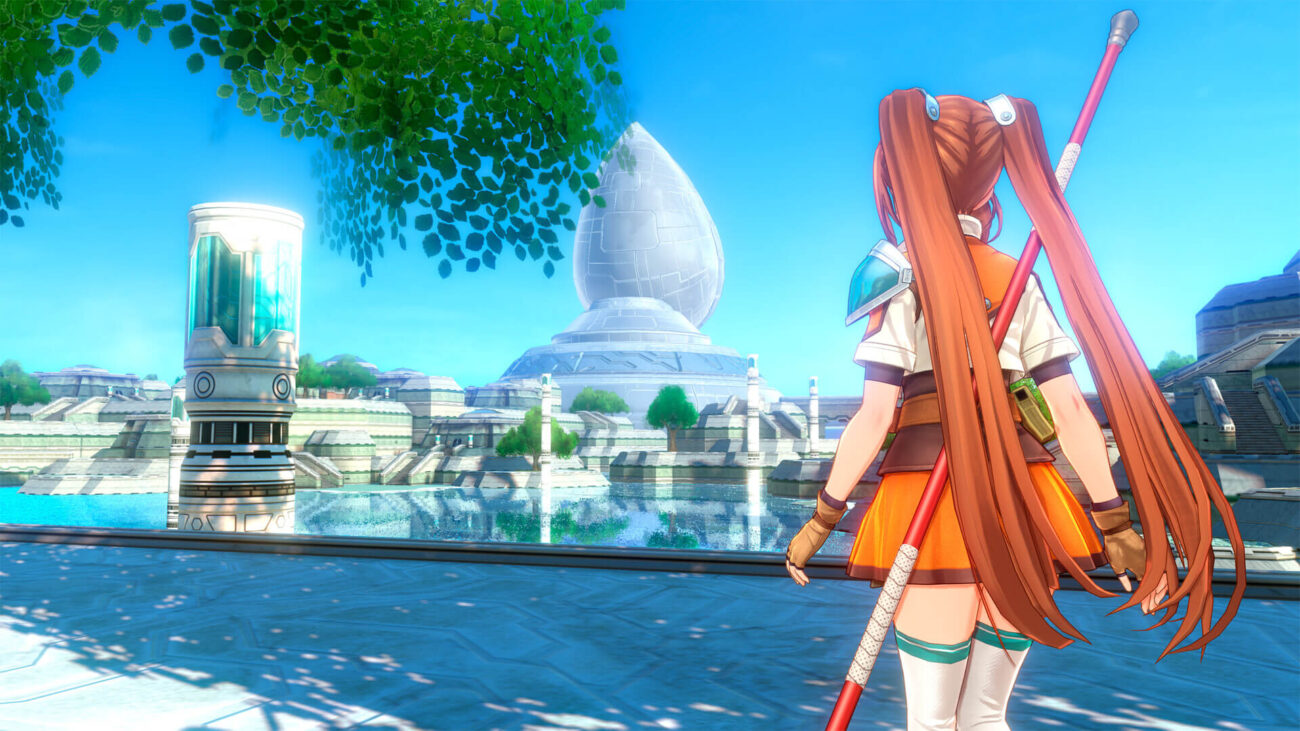
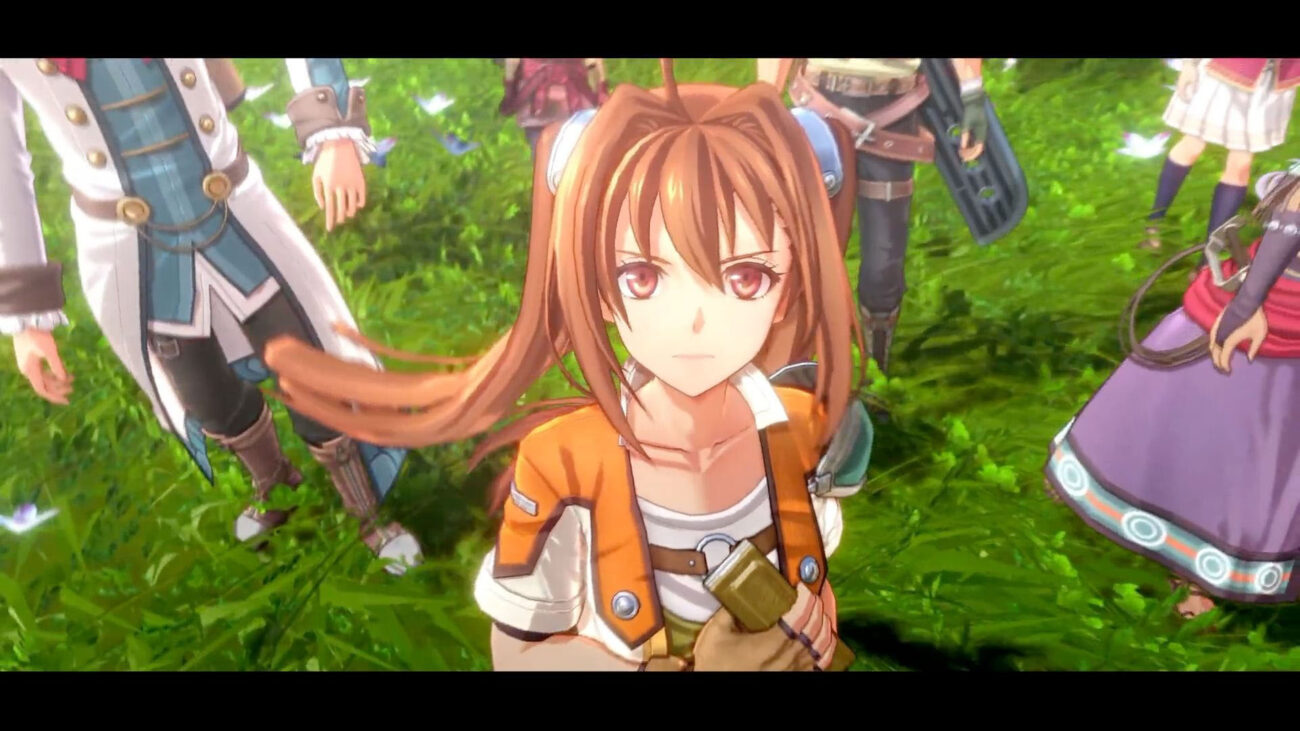
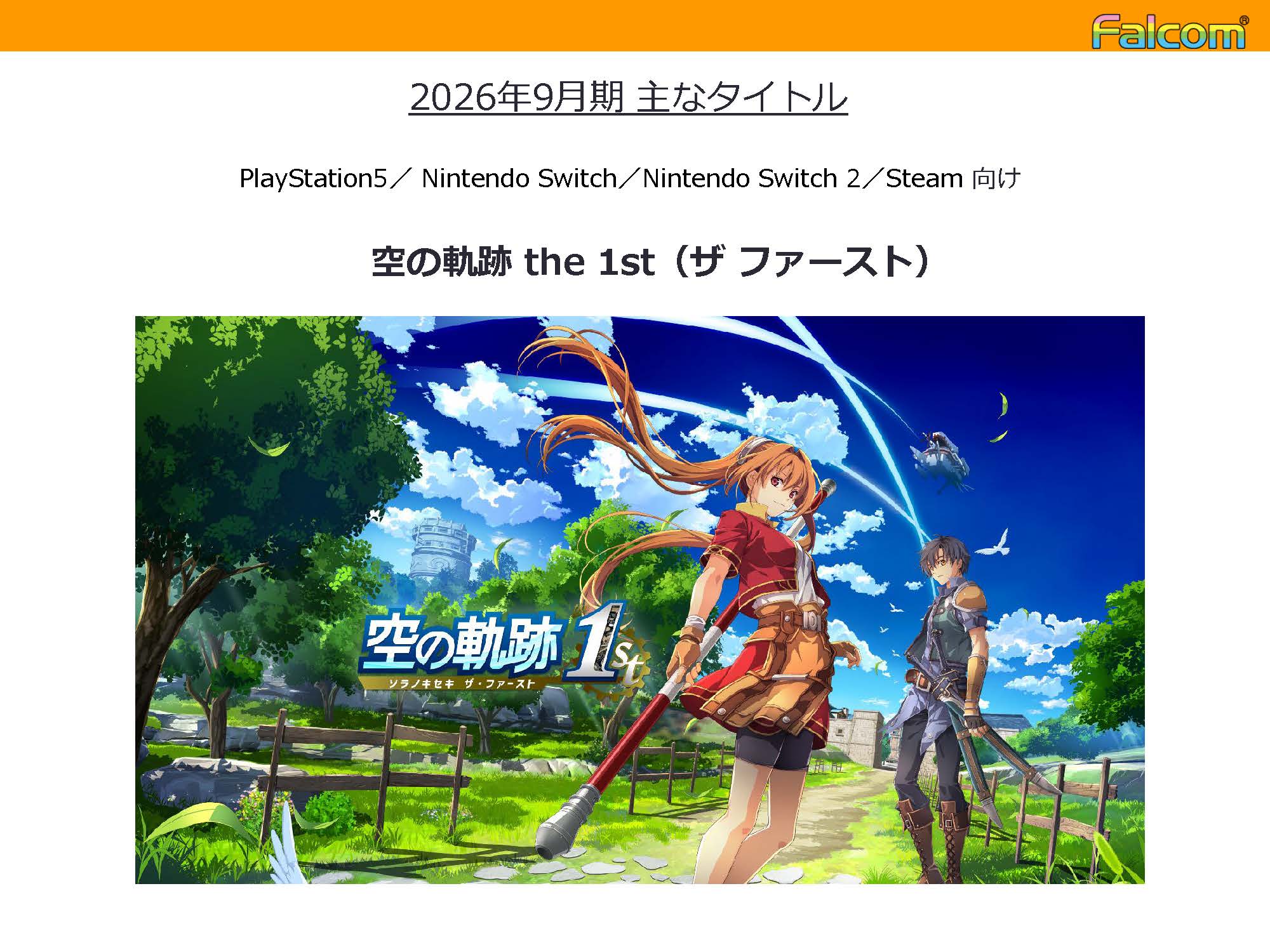
Instead, the spotlight will shift to the Trails in the Sky SC Remake (the “2nd“) and a mysterious new “riddle-themed” IP.
From a business point of view, it’s easy to understand – but look at my name, that doesn’t make it easier to accept.
1. Why KAI no Kiseki II Isn’t Happening Next Year
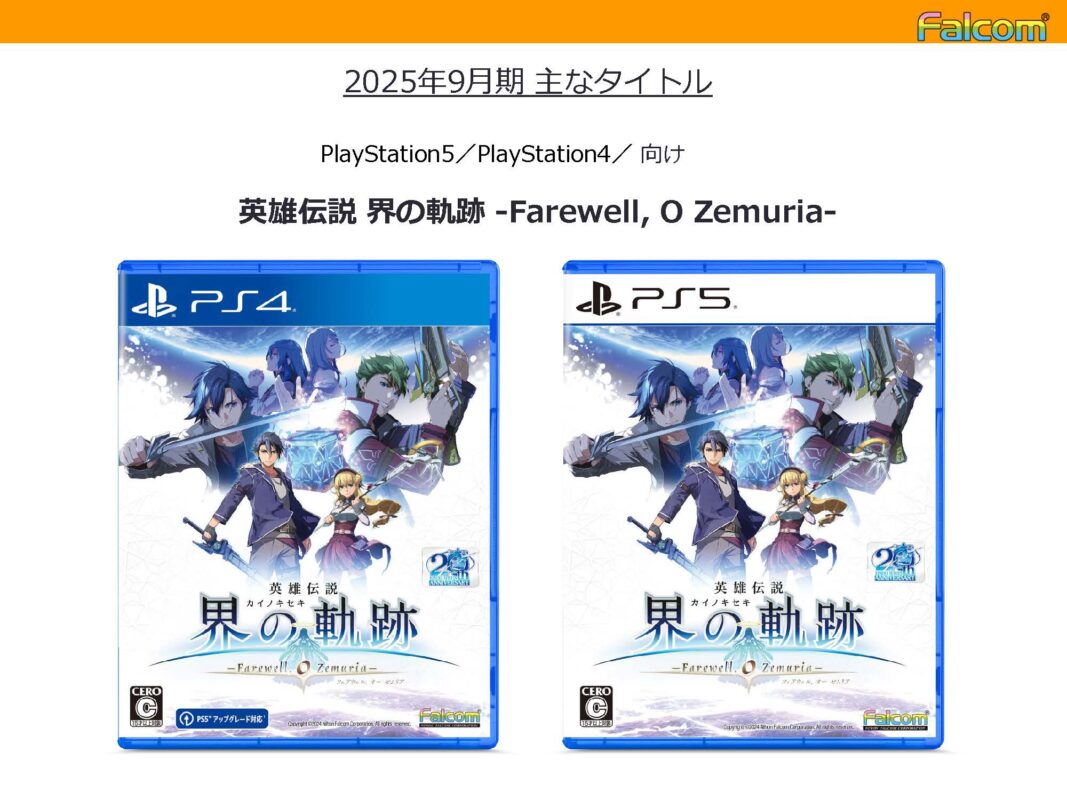
Falcom is making the rational choice. KAI was a title that only die-hard fans bought into. Even with good reviews, its domestic sales barely scratched five-figure totals. A remake like Trails in the Sky SC, on the other hand, can reach a much broader audience with six even seven-figure global totals: long-time fans, returning players, and newcomers discovering the series for the first time.
So if you’re sitting in Falcom’s boardroom, the math is clear: remakes generate more attention, lower risk, and a better profit-to-effort ratio. Boosting company value through a proven classic is far safer than chasing diminishing returns on a niche sequel.
In short – “Make Falcom Great Again” means going back to Sky, not chasing KAI/Horizon.
2. Waiting Could Still Be a Good Thing
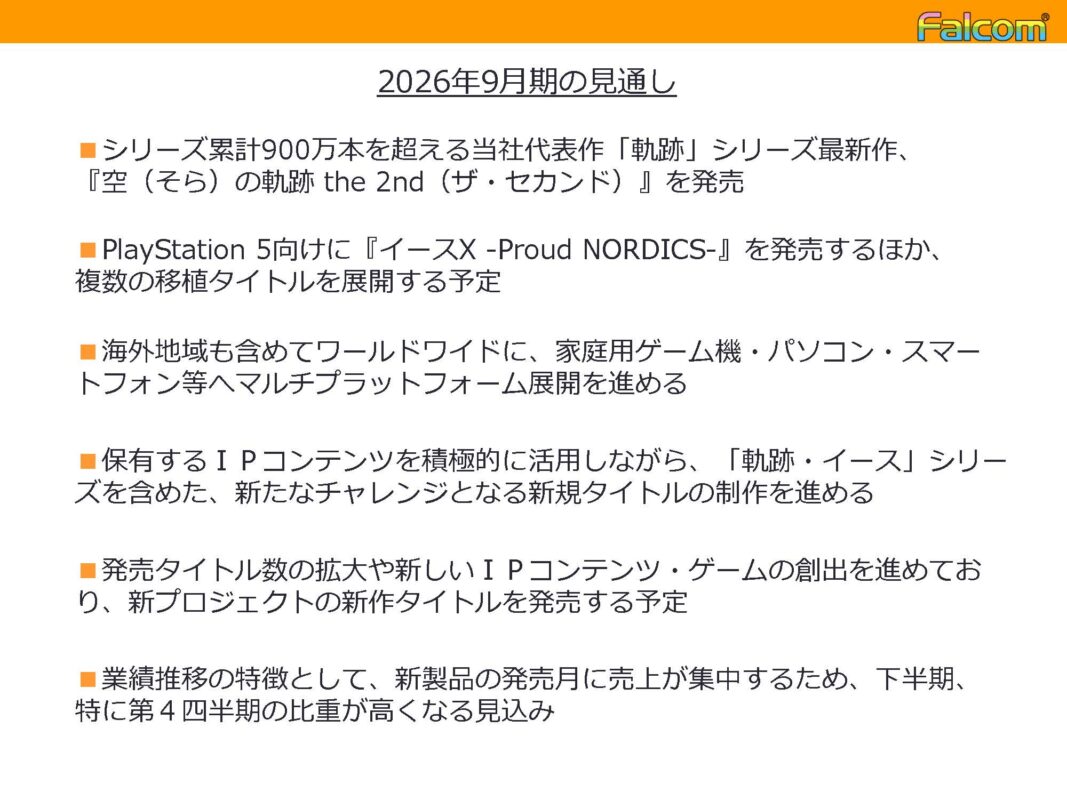
There’s also a hopeful way to read this. Maybe delaying KAI II means the team intends to give it the time and polish it deserves.
If the next game can tie up what the first one left hanging, even a small audience will appreciate it.
And if that audience is only fifty thousand strong, so be it – Falcom can make the quality those fifty thousand deserve.
Meanwhile, Sky SC Remake keeps the brand visible and profitable. After all, Sky → Zero → Ao remakes were what fans expected as the “entry arc” before a true finale.
It’s a logical, if somewhat cynical, route: stabilize the business, then take risks again later.
3. Production and Writing Struggles Are No Longer Invisible
From Trails of Cold Steel onward, it’s been hard to ignore the creative fatigue.
President Kondo and scenario lead Takeiri have enormous legacy weight on their shoulders, but that doesn’t make the execution immune to criticism.
Their writing cadence and project pacing have repeatedly shown cracks – most visibly in KAI no Kiseki, which felt less like a passion project and more like a financial filler.

Fans often joke about Falcom’s “black-screen dump” endings – those moments where the story builds to a climax, then cuts abruptly to black (or white) with the credits rolling.
It’s become such a known pattern that communities use phrases like “abrupt black-screen ending,” “unfinished finale,” or “cliff-hanger dump.”
That “dump” moment at the end – where tension peaks, resolution vanishes, and we’re left staring at a blank screen – has turned from a dramatic flourish into a symptom of fatigue.
The company can deny it all it wants, but the rhythm of these endings reflects a deeper issue: writing that follows financial reports more than creative pacing.
4. How We Got Here

It didn’t start with KAI.
Trails in the Sky was split into FC and SC, a business decision that worked perfect – once.
Cold Steel I & II repeated it; Cold Steel III carried it further; Kuro II collapsed under it.
The series learned all the wrong lessons: if a two-part release sells, why not make it three?
This pattern – stretching narratives, chasing deadlines, promising closure but never delivering – gradually drained goodwill.
When Kuro no Kiseki launched in 2021, it stunned players with seamless turn-action combat transition and a modern presentation. Many of us thought, “Here we go – new engine, clean slate, maybe a Republic trilogy that closes gracefully.”
Instead, we got half-built arcs, unfocused writing, reused mysteries, and the now-infamous “white-screen fade to credits.” Poor Agnes.
By the time KAI arrived, it was clear: Falcom was improvising. Story beats bent to fiscal timing, not narrative design. We’re told: “Please wait, old fans. Please turn back to Sky Remake while we figure out the big show.”
It doesn’t feel like the legacy arc – it feels like catch-up, sacrifice, and waiting.
5. A Reminder of Perspective
We can accept that a company must survive.
But Falcom’s creative stagnation didn’t happen overnight. It came from years of small, “it’s fine for now” decisions – stretching arcs, selling halves as wholes, and normalizing unfinished finales.
If anything, the current reset might be necessary. Maybe after the remakes, Falcom can rediscover the pacing and integrity that built this universe in the first place.
But that will only happen if fans demand it.
6. The Western Reality Falcom Shouldn’t Ignore
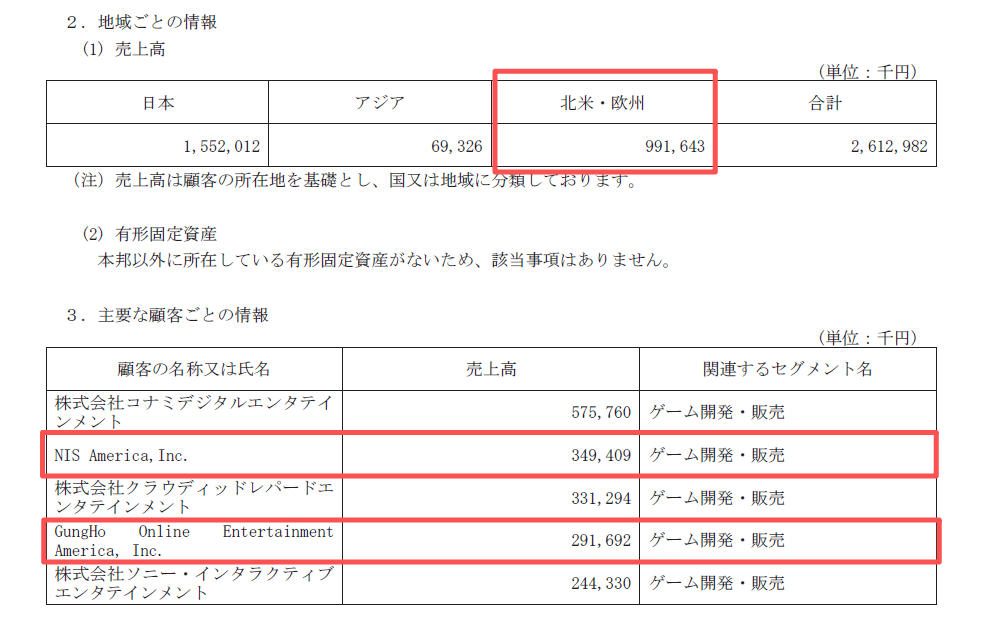
There’s another truth hidden behind the numbers:
Falcom’s influence in Japan and broader Asia has been fading. Their Western licensing revenue (mainly through NIS America and GungHo) now exceeds that of any single domestic partner and any single geographical region, not to mention the gross market value NIS and GungHo sold locally.
That means our voices in the West matter.
Yes. Us. Western Trails fans. We’re not a side market anymore; we’re a pillar of the revenue stream.
So the next time someone says “just buy everything Falcom makes to show support,” remember – unquestioned loyalty is what keeps them repeating Cold Steel, Cold Steel III and KAI‘s cliff-hanger dumps, as well as the “infamous” Cold Steel II and Kuro II/Daybreak II.
Support what’s good, not just what’s new.
Because the moment fans stop asking for quality, the black-screen endings never stop coming. And at the end of the day, we lose the narrative we loved.
Final Thought
You’ve given me twenty years of hope, Falcom. I still want to believe. But right now, our fandom is being asked to bleed loyalty while the business treats us as numbers.
Remakes can be a bridge, not a retreat – but only if they lead to something worthy of twenty years of storytelling.
Buy the Sky remake. Enjoy it. But when the next big chapter drops: ask if it’s made for the fans – or for finance.